The problem with loyalty
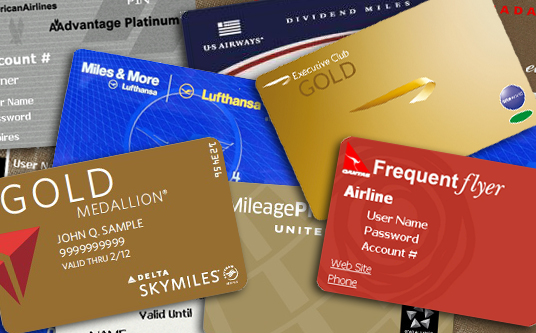 |
| Imge from AirlineRatings.com |
The problem with most loyalty programs is that they equate frequency with loyalty.
These are two very different things in customers' heads - and need treating and responding to very differently.
This becomes abundantly apparent if you take the time and trouble to contextualise your relationship with customers - but is easily missed if you charge head long towards one-size fits all operations in which the customer is simply the cash output device.
Let me give you an example. Imagine I have a strong affinity with an airline brand. Imagine that every time I fly long haul I choose them over all rivals. I'll even happily pay more for brand satisfaction I get from the reassurance of my choice.
But I'm not a frequent flyer.
In loyalty scheme terms I struggle to get off base.
But in actual loyalty - I'm the one who will be thrilled with the upgrade, I'm the one who will advocate to my peers how great the brand is and why they should follow my lead.
The frequent flyer has a sense of entitlement. Typically she is flying at least every week on business. If 30 per cent of those flights are with 'my; brand, the airline will see her as more deserving of special treatment - even though she doesn't see the treatment as in any way special.
She is in no way loyal - playing the varying airline loyalty status cards to get her the best deals. She cares much less which airline, more which rewards she can muster.
In summary; the frequent flyer doesn't care about your brand, expects you to go above and beyond for her (and will share negatively with her peers when you don't) and is not making you her default choice when flying. Yet these are your focus?
The loyal consumer chooses you by default every time they get to choose. They advocate for you. Going the extra mile for them creates massive value for them thatt they will talk about.
So isn't it time Loyaty grew up a bit and started recognising where rewards really create value. Lifetime Value has to factor for advocacy, for a real relatonship with the brand - one which runs far deeper than promiscuous frequency.
Labels: airlines, customers, frequent flyer, loyalty, rewards
posted by ADMIN @ February 07, 2018
0 Comments


